How Page Speed Affects Your Website SEO Rankings
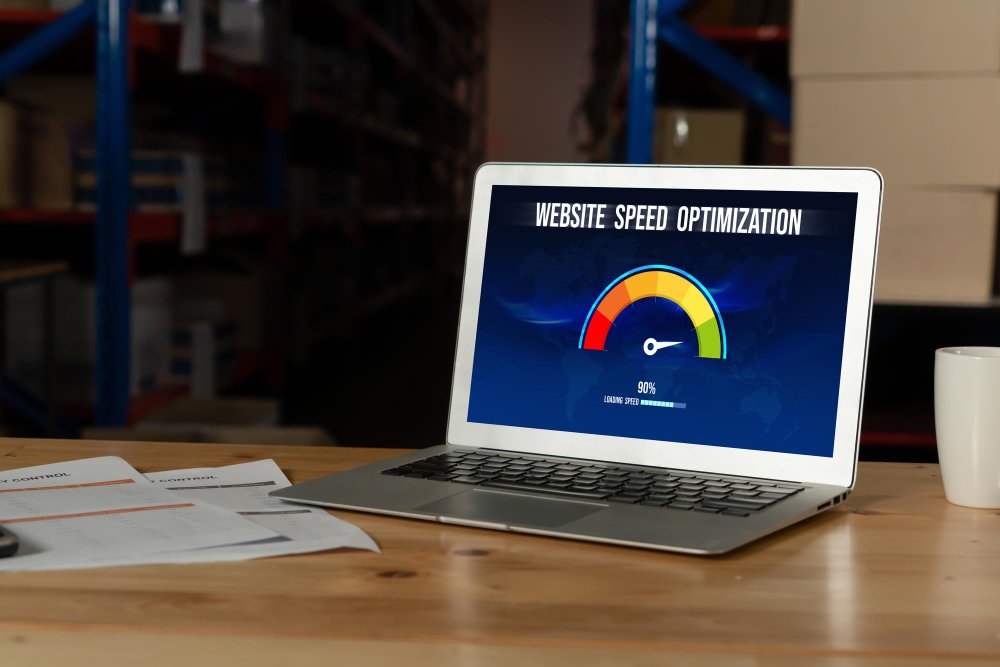
In today’s digital world, users expect websites to load quickly. If your site takes too long to display, visitors are likely to leave before engaging with your content. Beyond frustrating users, page speed is also a critical factor in Search Engine Optimization (SEO). Let’s explore how page speed affects your website SEO rankings.
1. Search Engines Prioritize Fast Sites
Google considers page speed a direct ranking factor. Faster websites provide a better user experience, and search engines reward them with higher visibility. If two sites have similar content, the faster one is more likely to rank higher.
2. User Experience Matters
A slow-loading website frustrates users and increases bounce rates. When visitors leave quickly, search engines interpret it as a sign that the site isn’t valuable. A fast website keeps users engaged, improving session duration and reducing bounce rates.
3. Mobile Optimization Is Crucial
In Africa and across the globe, most users browse on mobile devices. Page speed on mobile is even more critical since slower connections can magnify delays. Optimizing for mobile speed ensures your site remains competitive in search rankings.
4. Impacts Conversion Rates
Slow websites don’t just lose traffic—they lose sales. Studies show that even a one-second delay in page load can reduce conversions significantly. Faster websites not only attract more visitors but also turn them into paying customers.
5. Core Web Vitals
Google’s Core Web Vitals—metrics that measure loading speed, interactivity, and stability—are key to SEO performance. Meeting these standards improves both user satisfaction and search rankings.
6. How to Improve Page Speed
- Compress and optimize images.
- Use browser caching.
- Minimize CSS, JavaScript, and HTML.
- Choose reliable hosting with fast servers.
- Implement a Content Delivery Network (CDN).
Conclusion
Understanding how page speed affects SEO rankings is essential for any business aiming for digital success. A faster website enhances user experience, reduces bounce rates, and increases conversions—all while improving your search engine rankings. If your site is slow, now is the time to optimize and give your visitors (and search engines) the smooth experience they expect.